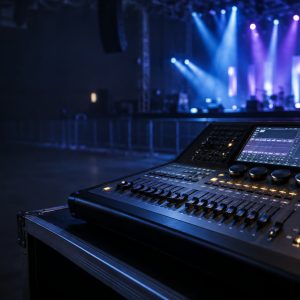
Moving Head Lights
Moving head lights add remotely controlled pan and tilt to a lighting rig. Choose a beam, wash, or hybrid fixture according to throw distance, coverage, movement, and the effects required for your show. Review each product listing for its actual light source, optics, control modes, dimensions, and power requirements.
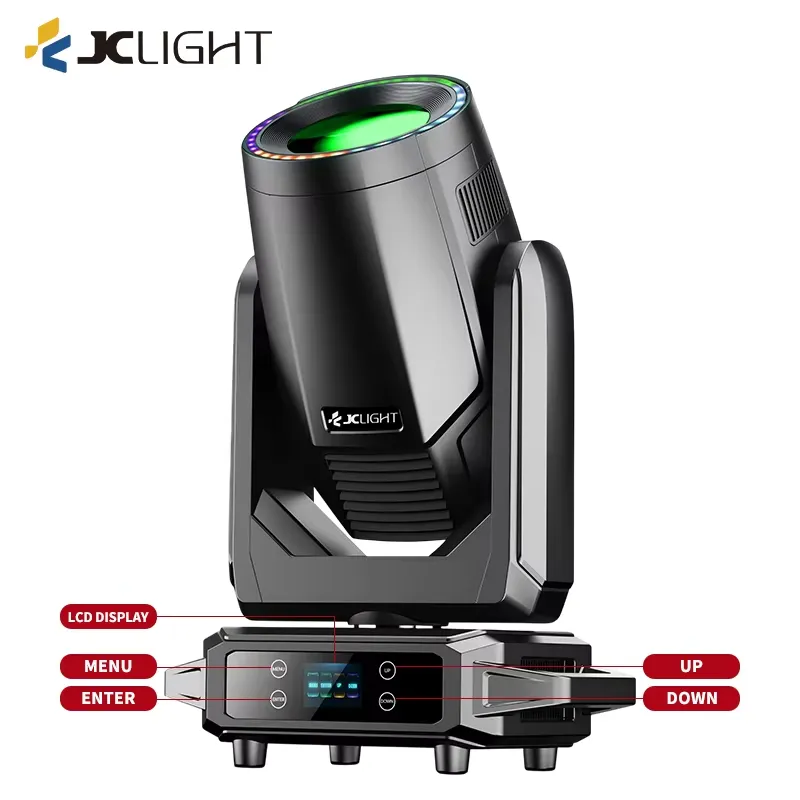
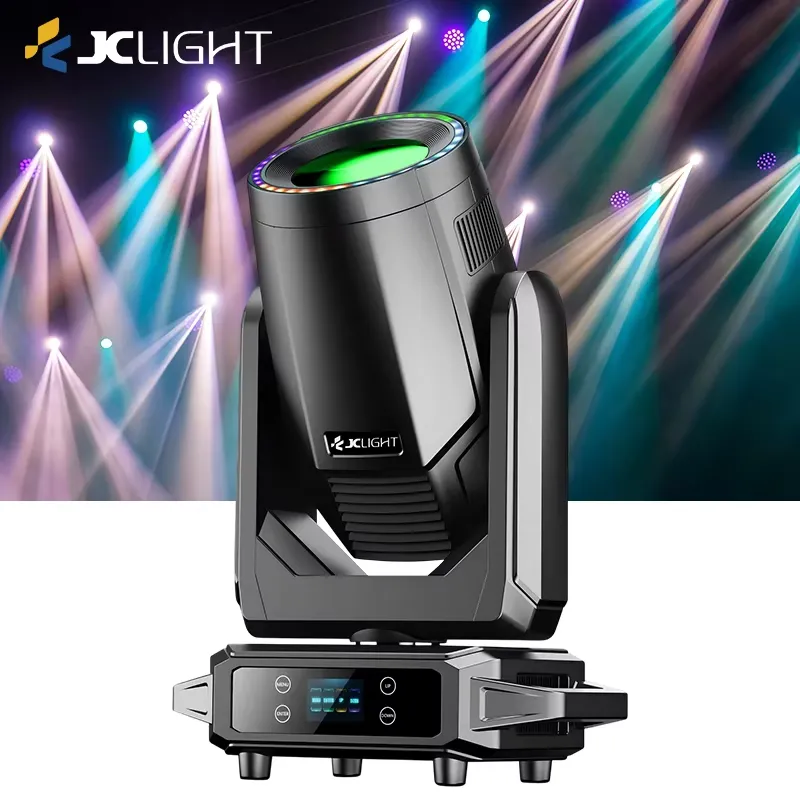
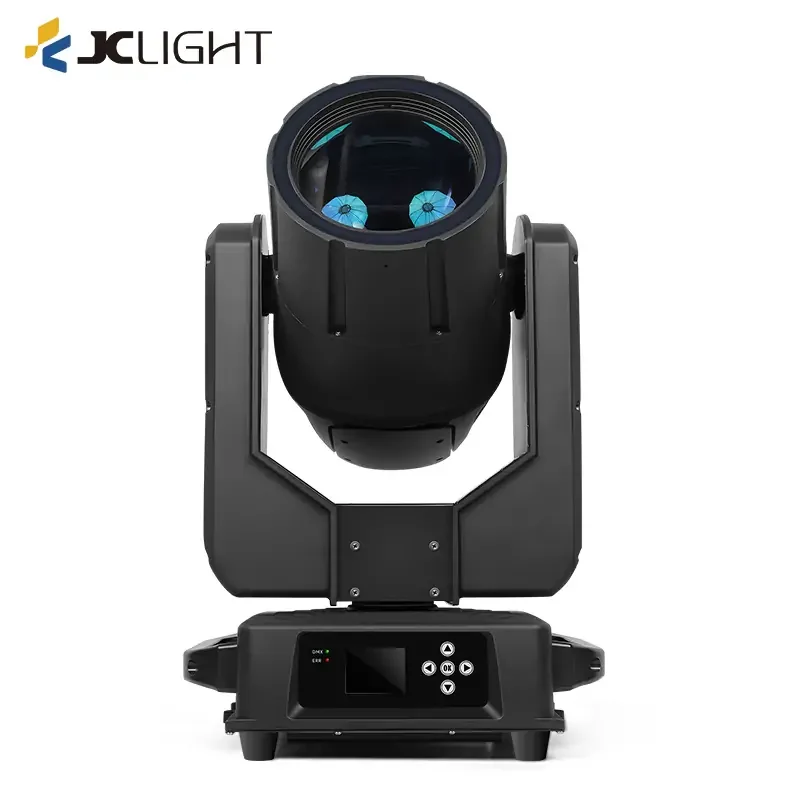
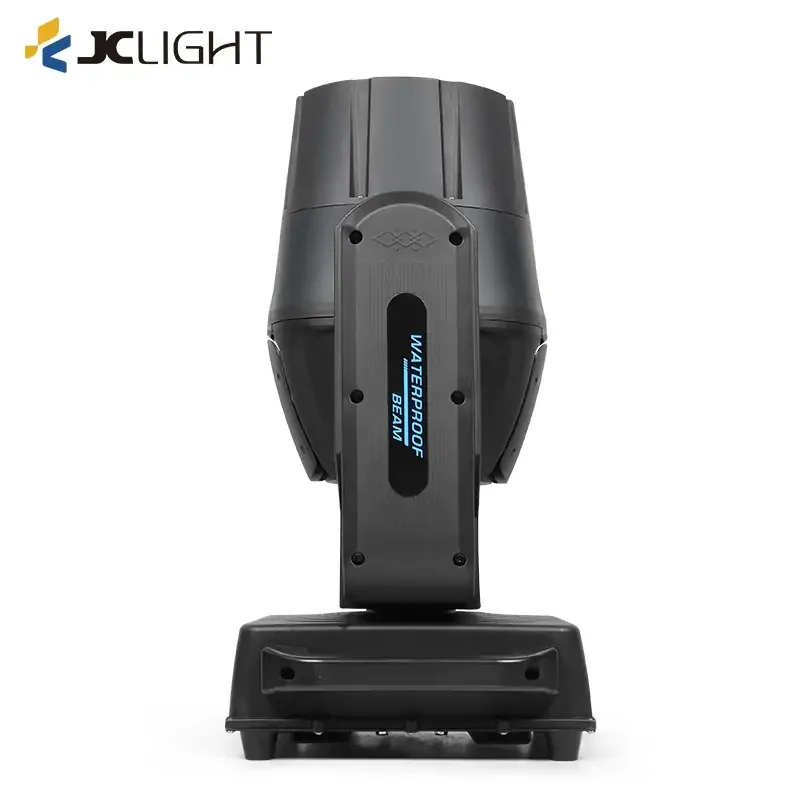
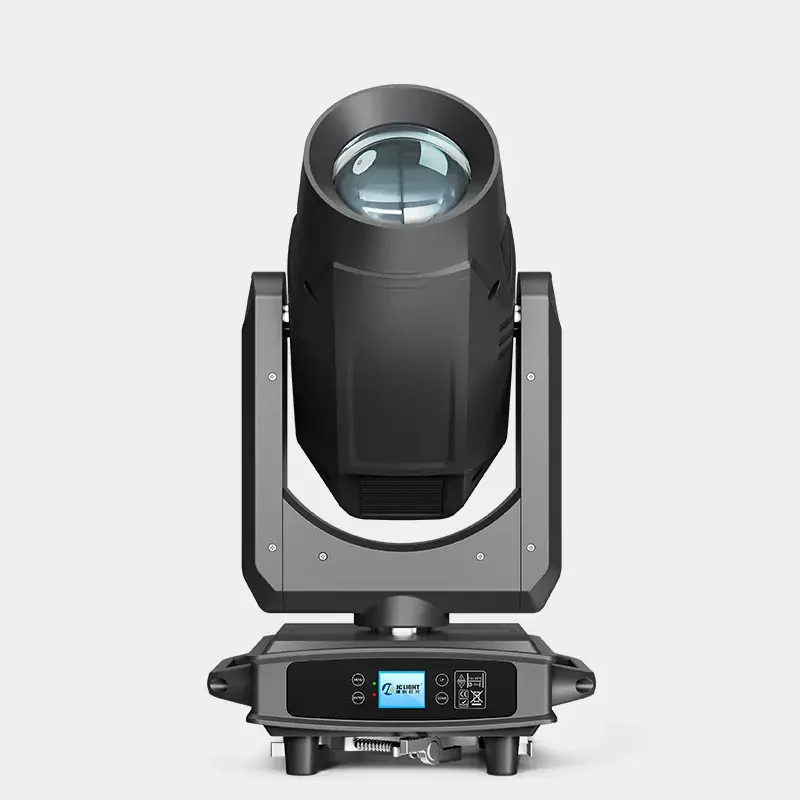
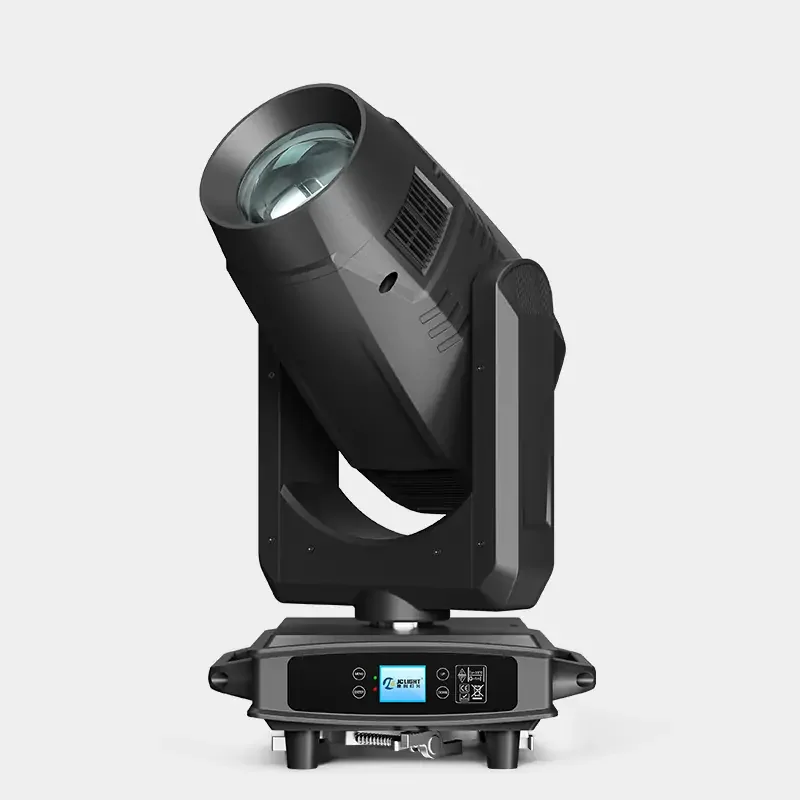
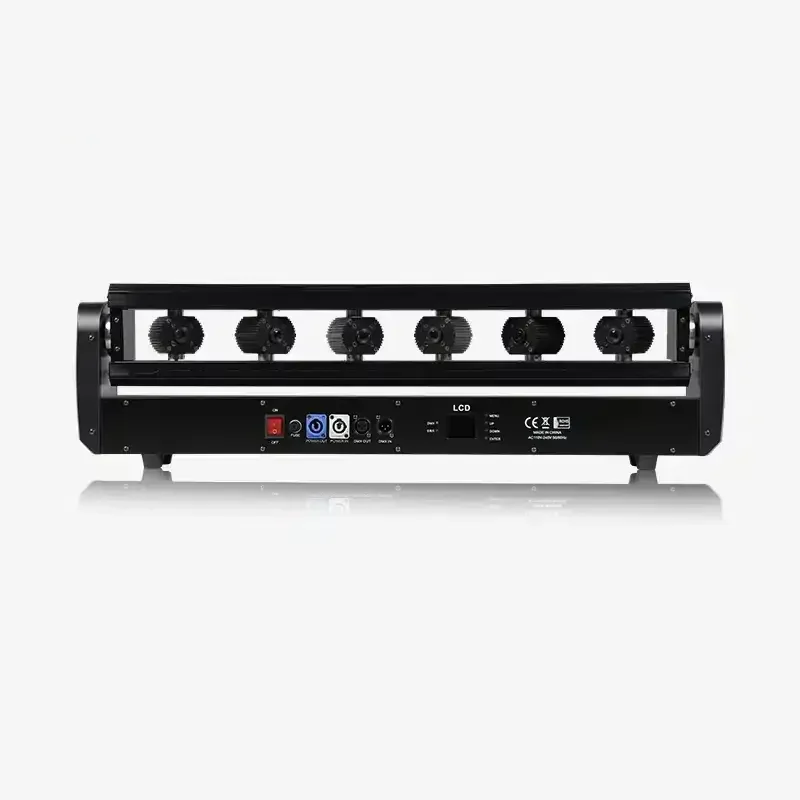
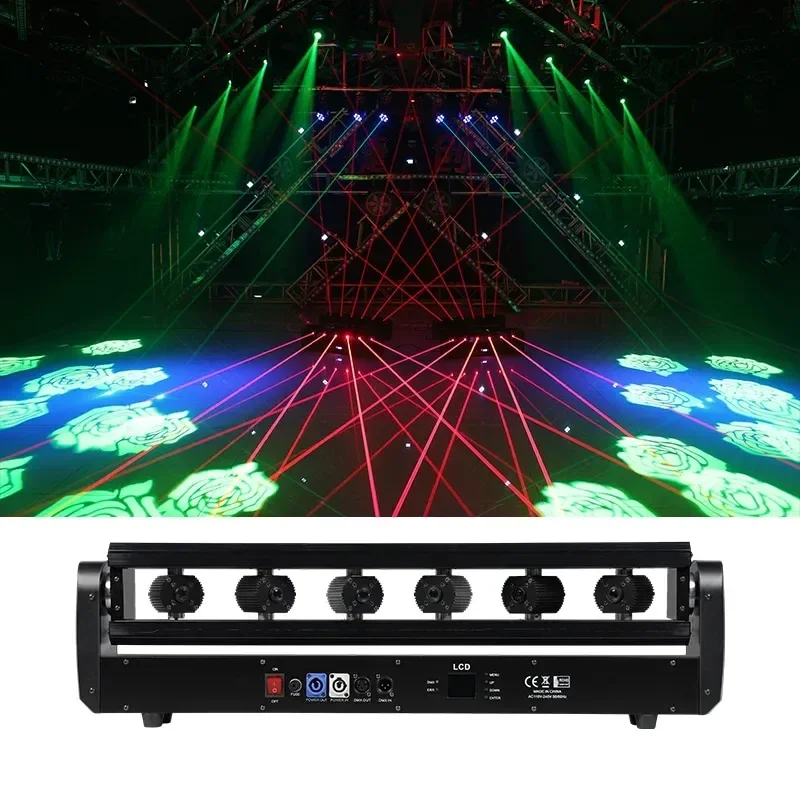
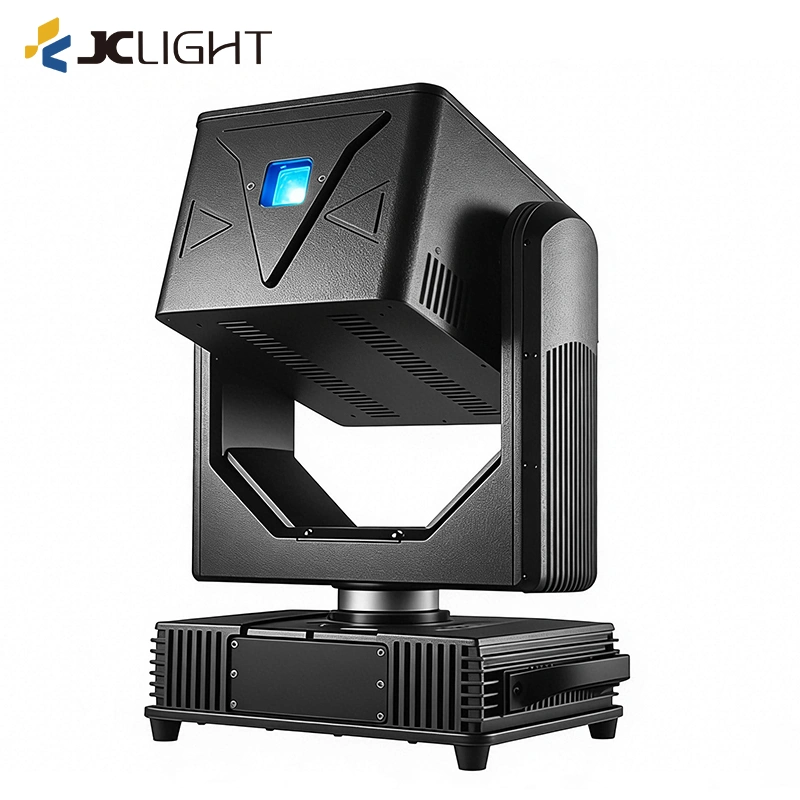
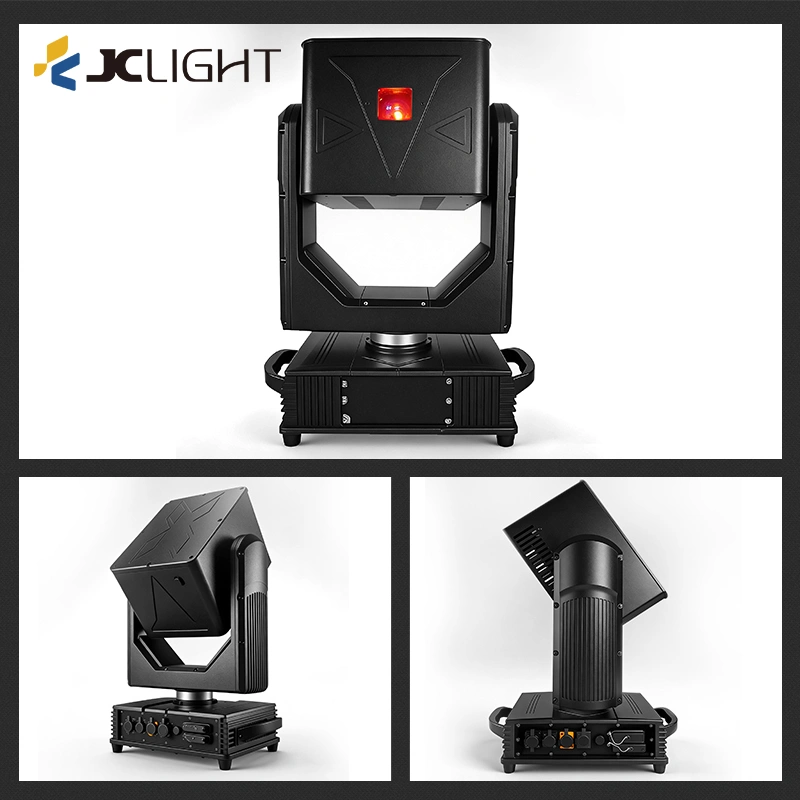
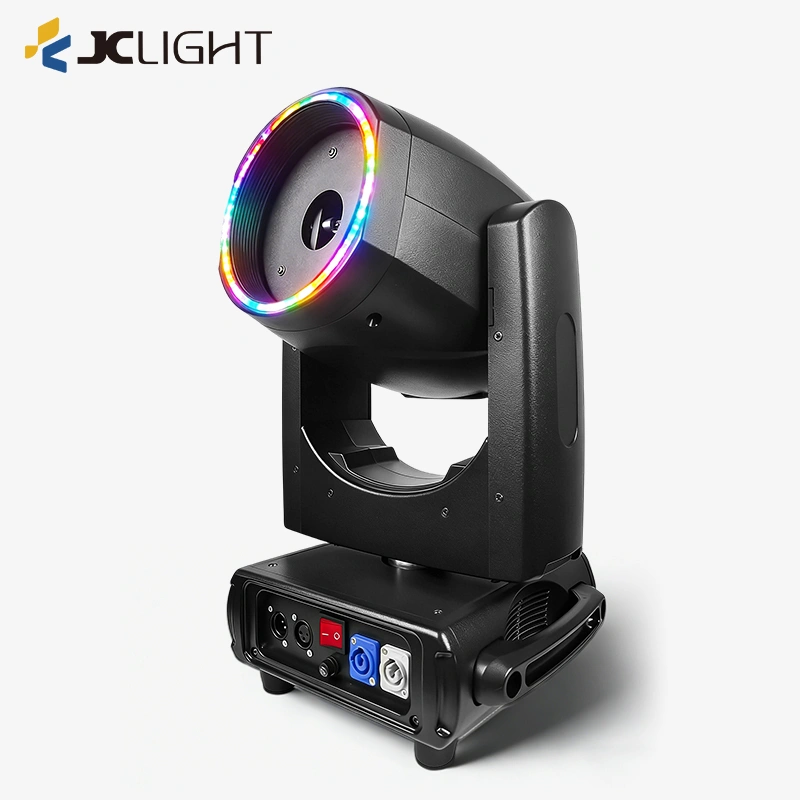
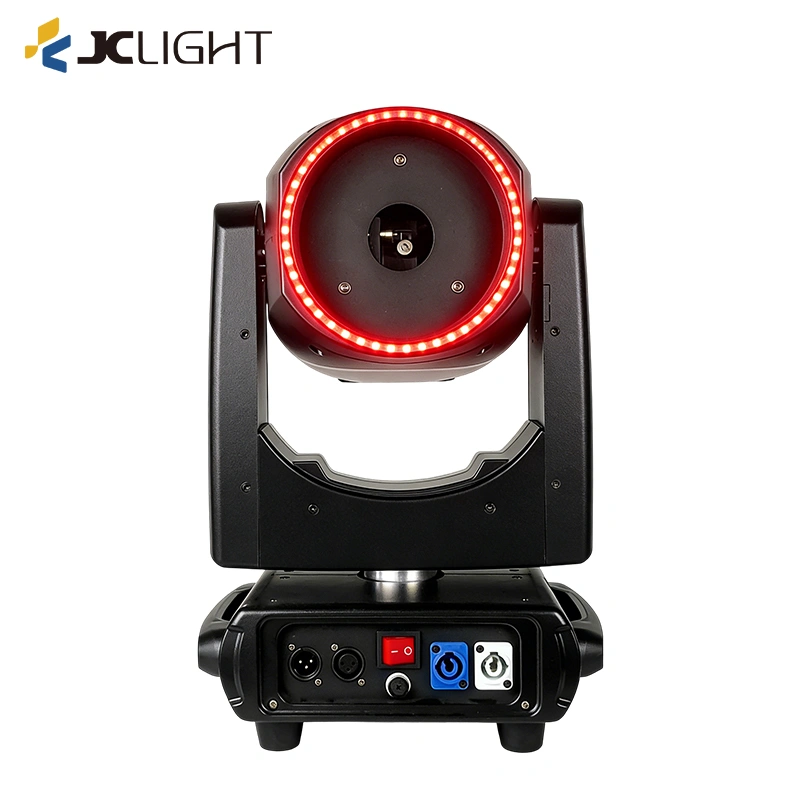
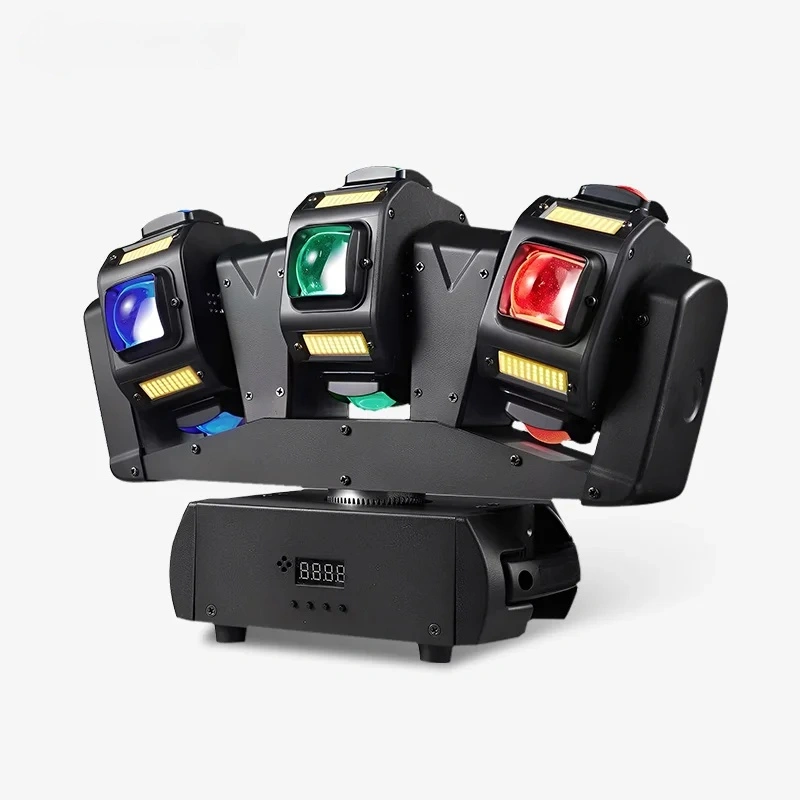
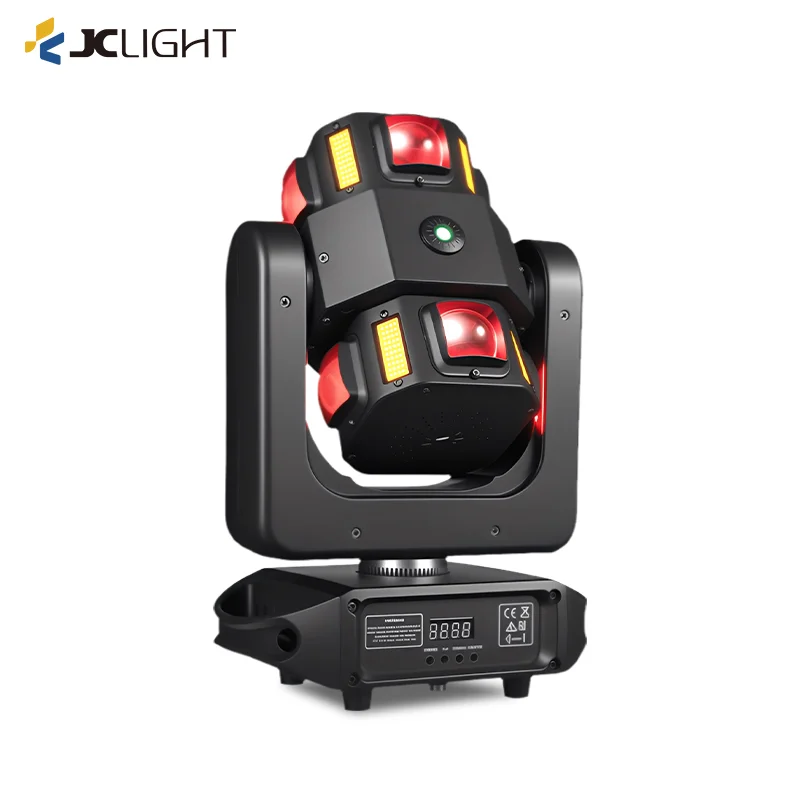
About Moving Head Lights
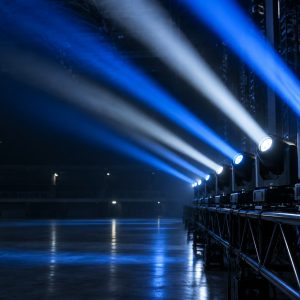
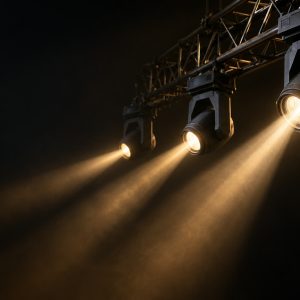
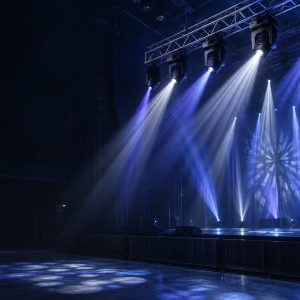
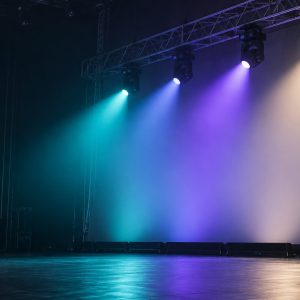
Moving head lights use motorized pan and tilt to direct light to changing positions during a performance. They are used in concerts, clubs, theaters, and event productions where a static fixture cannot provide the required movement.
Choose between beam, wash, and hybrid roles based on throw distance, coverage, and the looks needed. Compare the actual light source, optics, movement range, control modes, dimensions, and power information listed for each model. Check fixture weight and mounting details when planning the truss or rigging position.
FAQs
What is a moving head light?
It is a stage fixture with motorized pan and tilt, allowing the beam or wash direction to change during a show. The available optics and effects depend on the model.
How do beam, wash, and hybrid moving heads differ?
Beam models focus on narrow aerial effects, wash models cover broader areas, and hybrid models combine functions. Compare each listing because feature sets vary.
Do moving head lights need a DMX controller?
Many fixtures offer DMX control, but control options differ. Confirm the fixture’s DMX modes and channel details and make sure they match your controller and programming setup.
How should I choose a moving head for a stage?
Consider stage size, throw distance, desired coverage, mounting position, fixture weight, light source, control method, and the available power.
Can moving head lights be mounted overhead?
Use only the mounting hardware and rigging method specified for the fixture. Check weight, clamp compatibility, safety requirements, and venue rules before overhead installation.
What information should I compare between models?
Compare light source, output, beam angle, pan and tilt range, control modes, dimensions, power, cooling, and included effects where those specifications are provided.